

The French Senate has recently proposed the adoption of an amendment to the bill on the superfashion industry, aimed at strengthening the regulation of Chinese electric power platforms such as Shein and Temu. The new scheme prohibits advertising on these platforms and imposes a fine of up to Euro10 or 50 per cent of the sale price on every dress that does not meet environmental standards.

According to Euronews and Reuters, Shein and Temu may be banned from advertising in France, including social media and influence marketing. Also, clothing that does not meet French environmental standards is subject to a fine of up to 10 euros or 50 per cent of the sale price, to be implemented gradually by 2030. It is worth mentioning that European fast-fashion brands such as Zara and Kiabi have been classified as “traditional fast-fashion” and face more liberal environmental requirements that call into question the fairness of the bill.

The hyperfast spreads across the globe in its low-cost and fast-renewed form, but its environmental costs raise widespread concern. Shein introduced thousands of new products a week, and the production process involved significant resource consumption and carbon emissions. According to RFI, the carbon footprint of the superfashion industry is far beyond traditional retailing and often involves unsustainable material and labour conditions. France, as a pioneer in environmental legislation, is trying to reduce the damage to the environment by fast-fashion, while protecting its own brands from low-cost competition.
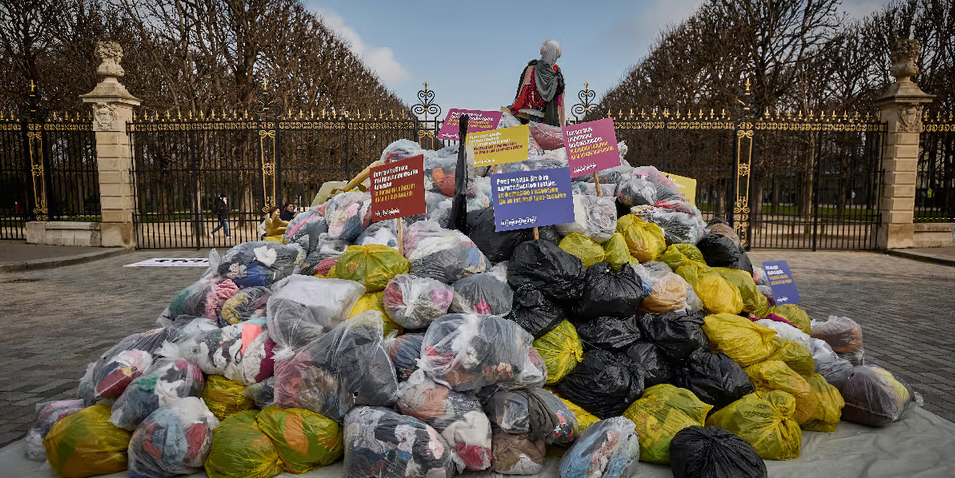
Advertising bans will limit the exposure of brands in France, such as Shein and Temu, especially on platforms such as TikTok, which rely on marketing strategies of influence. A penalty regime would push up operational costs and force enterprises to optimize the supply chain or increase the price of the sale, which could weaken their low-price advantage. In contrast, European brands such as Zara and Kiabi may take the opportunity to expand their market share by more mature supply chains and some local production, more easily meeting liberal environmental standards.

Specific assessment methodologies for environmental standards are not yet clear, which may make implementation difficult. The FashionLaw stated that the bill had removed some of its harsh measures, such as large fines based on environmental ratings, indicating signs of compromise. In addition, consumer demand for low-cost clothing may drive these platforms towards other European markets, undermining the effects of the Act.