
Following Mask’s announcement of his accession to the Trump administration, there was a strong wind of strong development in Tesla. However, the situation of Tesla today is aggravated by the time of transition. The federal tax policy on electric cars is coming to an end, and the demand for zero-emission vehicle control points (ZEV) is facing a collapse, not to mention the tension between Mask himself and Trump.
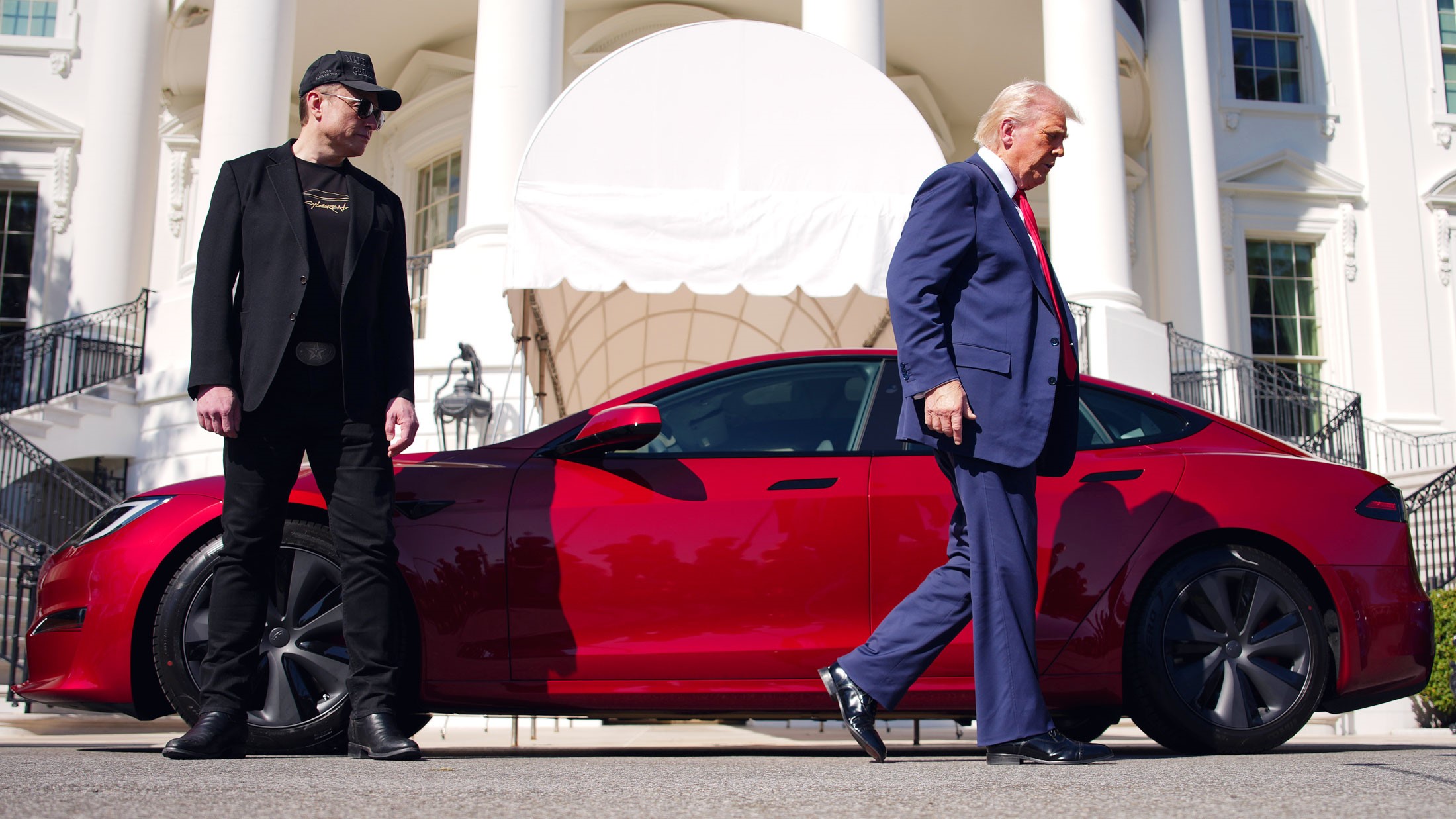
Despite this, Morgan Stanley Analyst Adam Jonas believed that there was still a glimmer of hope for Tesla, who had fallen into trouble. As an analyst of the long-term vision of Tesla, he warned investors about these developments in his latest research: “Be prepared, Mask may further invest its resources in its political priorities, which may put additional short-term pressure on Tesla stock prices”.

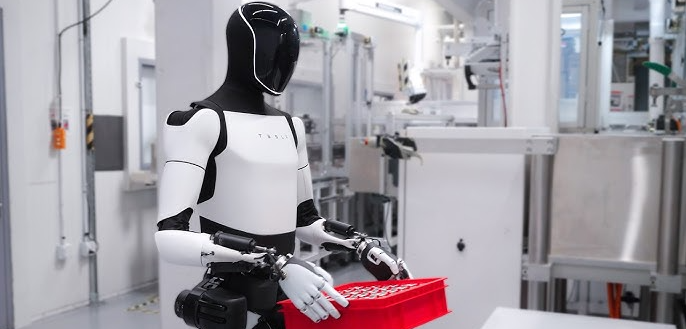
Jonas tried to justify Mask’s continuing political activities as “part of a planned strategy to achieve specific goals” aimed at “maximum public attention on a range of issues”. Jonas acknowledged the delivery of Tesla in the second quarter of 2025, which (384122) largely met Morgan Stanley ‘ s expectations, and the market consensus expectations compiled by the Tesla investor relations sector (385086) were roughly the same (out of 410244). However, the most striking point in the report is Jonas ‘ assessment of the potential of the Optimus human robot in Tesla. In his view, if Tesla replaced 10 per cent of its 125665 employees with Optimus robots, based on Morgan Stanley’s calculations (NPV per robot is $200,000), the company would save up to $2.5 billion.
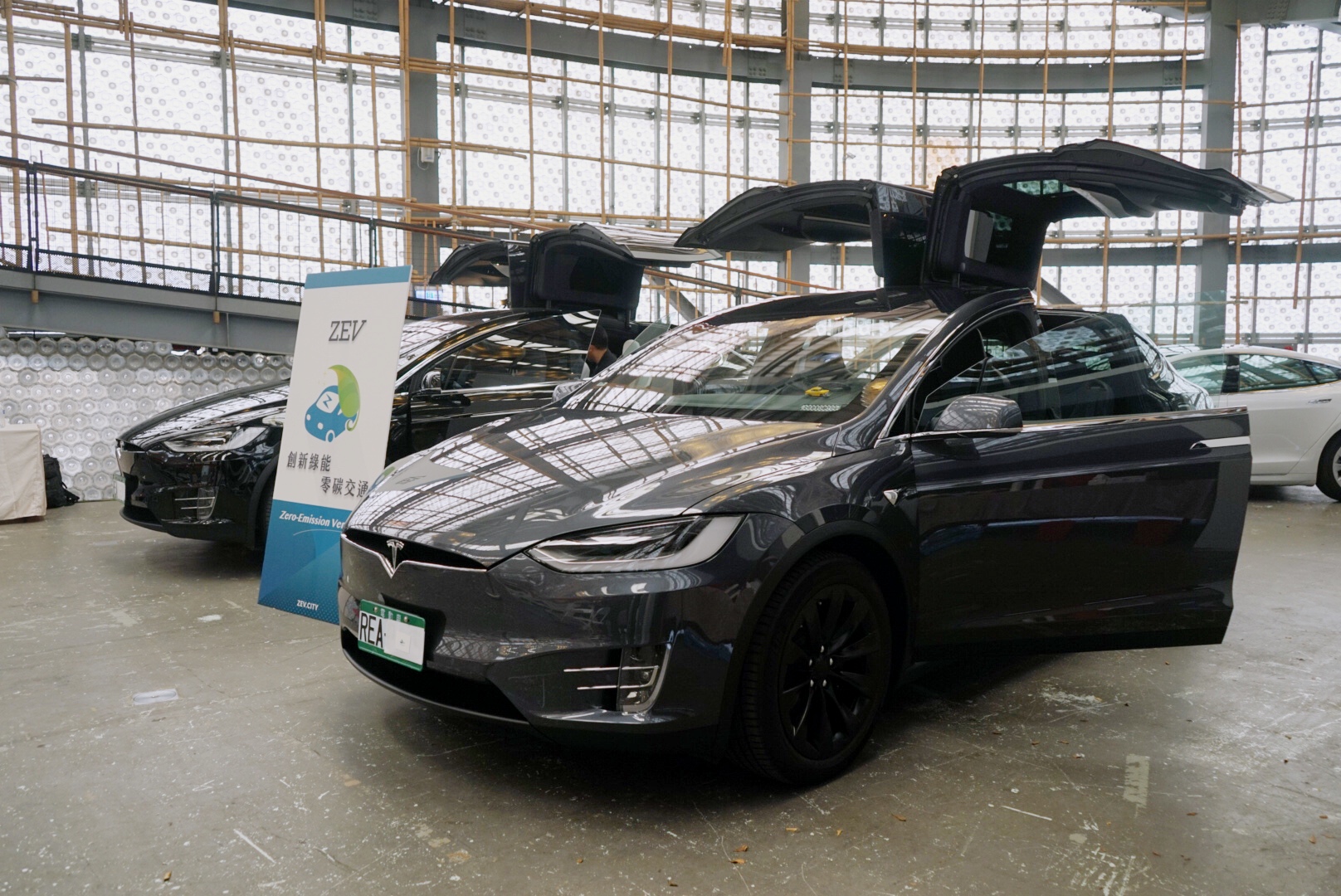
At this stage, however, the optimistic cost outlook cannot mask the serious financial challenges that Tesla is currently facing, with the so-called Big Beautiful Bill, signed by Trump, leading to the end of the federal electric car tax credit on 30 September and the end of the solar-related credit on 31 December. At the same time, the Act abolished penalties for car manufacturers who failed to meet the average fuel economy (CAFE) standards of federal enterprises, which directly destroyed the market demand for ZEV regulatory credits. ZEV credits were an important source of income for Tesla, especially in California, where the state was able to enforce stricter emission standards and ZEV injunctions with special Senate exemptions, making billions of dollars. As the immunity was lifted, the value of ZEV ‘ s points fell sharply.
Mask’s political ambitions are diverting its energies from the management of Tesla, a core asset, to the extent of the huge financial impact of the shift in federal policy, and Tesla’s prospects are cloudy. In the short term, Tesla still needs to travel under the multiple pressures of weak demand, a retreat in policy dividends and a fragmentation of CEO energy. Morgan Stanley’s report is more like finding a weak beacon of hope for investors in the storm than a solution to the current dilemma.