
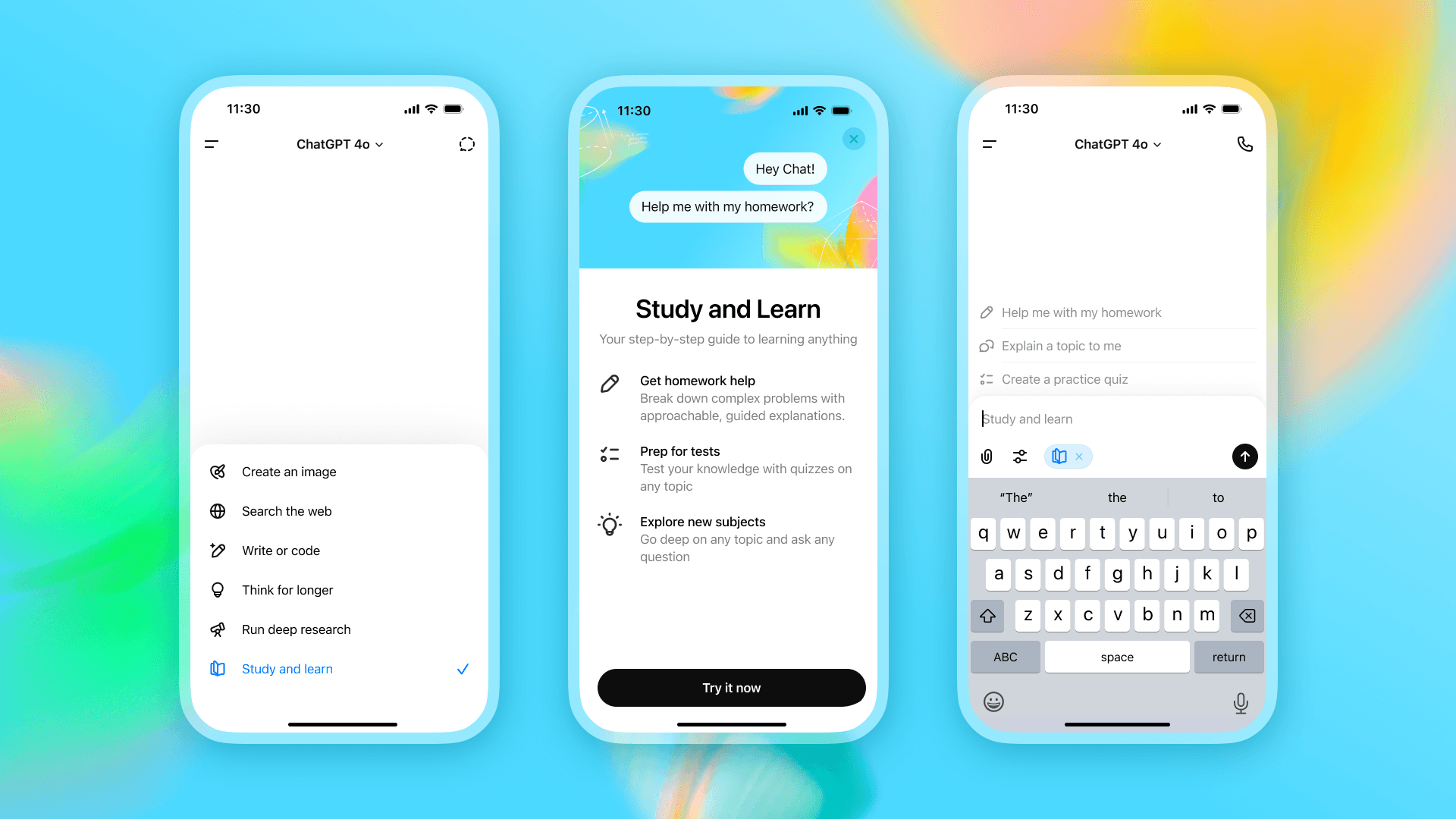
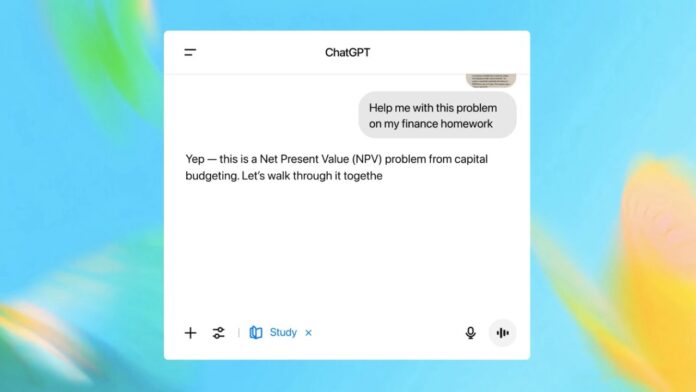
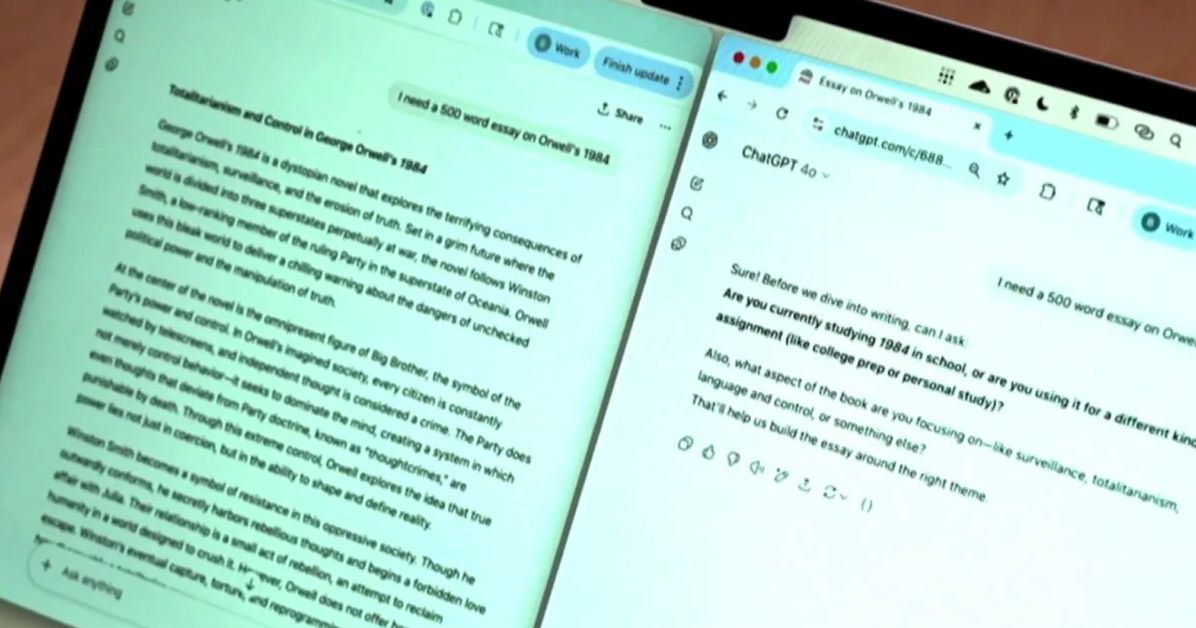
According to the United States Wireline magazine, ChatGPT announced a new “learning model” designed to prevent, or at least discourage, students from using AI shortcuts in their operations. This model is based on the Socrates-based Question Method, and once activated, OpenAI ‘ s generating AI chat robot will reject requests for direct answers and instead direct users through open questions. The new learning model is available to most users of ChatGPT, including free-of-charge users.
Over the past few years, OpenAI has had a tremendous impact on the education system, with students becoming one of the first groups to use GhatGPT. Nevertheless, OpenAI claims that if robots are required to play the role of a synthetic mentor, it is beneficial to learners as a whole. “When ChatGPT is referred to teaching or counselling, it can significantly improve academic performance, and the Vice-President of OpenAI Education, Leah Belsky, says, “but when it is used only as a machine to answer questions, it prevents learning.”
It is true that, even in the absence of an AI tool, those students who find a simple way to avoid the substance of the course turn to other tools. However, the instant and personalized services provided by chat robots feel like an upgrade. Once the school year begins, people’s mood rises when an AI smartphone application, like Gauth, can solve a problem by taking a photo. Recently, many educators have expressed concern about the continued and often hidden use of AI by students.
OpenAI CEO Sam Altman did not agree. “I remember when I was in junior high, Google was just here, and all the teachers were panicking, and Altman said on a blog show. Similar to Internet computers, Altman sees AI as a tool that can help users “better think”.
ChatGPT’s learning model seeks to promote more in-depth involvement of users in a subject by cross-examining them and by asking them for more background information about their learning objectives. “It does not give a long answer from the beginning, but asks you first, “Hey, what do you want to optimize? “What’s your current level?” explains Abhi Muchhal.
While the OpenAI learning model is more focused on universities this time, the company also focuses on a wider group of learners, including younger students. In a blog post, OpenAI writes that it is currently working with a study specialist at Stanford University to “research and share how the AI tools, including learning models, affect learning outcomes, for example in the field of K-12 education”. This time, an executive order was issued by the Trump government to promote greater access to American classrooms.
Even though the preliminary study on education and AI, in which OpenAI participated, supported the company ‘ s assertion that students with robots could learn better when AI was used as a mentor rather than as a answering machine, it remained doubtful. What are the long-term implications of the increasingly frequent shift to AI tools to seek guidance? Would young people, who may have relied on ChatGPT to solve their problems from an early age, become over-reliant on them, thus hindering the development of critical thinking? This is not yet clear.
Thus, while ChatGPT ‘ s learning model is designed to guide students ‘ learning materials according to their level of understanding, it remains the responsibility of users to use the software in a specific way to ensure that they truly understand what they learn. In the AI era, the most difficult challenge for students is perhaps to resist the urge to switch learning patterns and not to seek a direct answer from ChatGPT.