

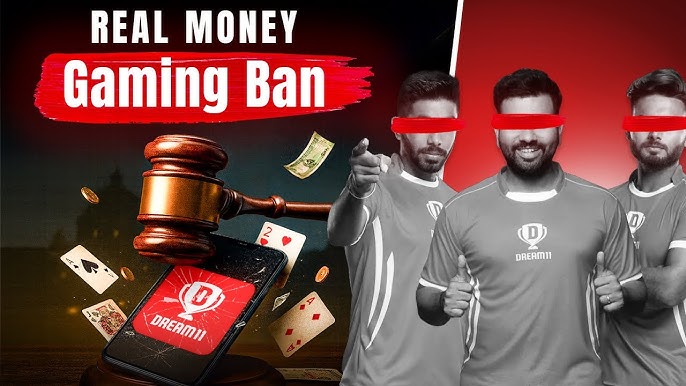
As the Government of India enforces a comprehensive ban on the genuine gold game (RMG), the traditional game studio expects that its business will have a positive impact. Industry executives indicated that, following the ban, a large number of RMG players were expected to return to the area of leisure games, thus triggering a new wave of investment and even attracting senior development talent.
Data from the venture capital company Lumikai show that 66 per cent of the RMG payers and 60 per cent of the dream sports game users paid for the content of Chinese nuclear games, such as the Indian version of ” Jedi for Life ” , indicating a natural basis for users to migrate to traditional games. Almost all major RMG platforms have been closed since the 20 August ban came into effect. Dream11, MPL, Gameskraft and WinZo have all suspended or completely terminated RMG services, and some companies are seeking to shift to other markets and areas.

The founder and managing partner of Lumikai, Salone Sehgal, stated: “RMG, including data analysts and product managers, is flowing to other interactive media and game companies. As previous concerns over the overlap of RMG operations diminish, global distributors will prefer to work with compliant leisure and free games enterprises.”
Not all users plan to switch to traditional games. As Akshat Rathee, co-founder and Managing Director of Nodwin Gaming, an electric promotion company, states: “The RMG player for leisure is more likely to turn to new games, especially social casinos and regular video games. Instead, addicted players continue to play through offshore platforms or creative solutions, which will make government regulation more difficult.”
While investors are now in a cooling-off period due to the significant asset write-down of the RMG ban, the next round of investment is expected to be accompanied by clearer policy and regulatory support, with Nitish Mittersain, founder of Nazara Technologies, saying: “The current investors are afraid because they have lost a lot of money and all of them have to write down significant assets, so that the industry will now experience a cooling-down”.
Following the ban, nine Indian top game development studios and distributors formed the Indian Association of Game Publishers and Developers (IGPDA) to communicate with and provide support to the Government and the regulatory bodies to be appointed. The Association explicitly excludes gold game companies and game outsourcing and development enterprises, with a total value of over $2 billion in nine member enterprises, and has launched a number of popular games under its umbrella.
Rajesh Rao, a founding member of IGPDA, stated: “The regulators of other industries need strong industry support. We need incentives, including the design of the Creator’s Fund, and to ensure that funds are properly channelled.”
The wind investment book indicates that they now have a clearer understanding of the policy. The bets that involve access to funds and are expected to be paid in terms of monetary proceeds are expressly prohibited, while application purchases are still permitted.
In Lumikai, Sehgal concluded: “It is now too early to assert that the industry is failing, and there are still significant growth opportunities in the areas of free games, Chinese nuclear games, Ai raw content and platforms, and related tools and infrastructure. The industry-for-profit model will shift to applied purchase, subscription and visit fees, and advertising will be strengthened. New models such as virtual gift offerings are emerging, and the average income of single users in non-RMG games has increased from $2 a few years ago to $10-22 today.”
The Indian game industry is at a historic turning point. Despite short-term pains, the fallout of the genuine gold game opens up wider development space for traditional game and compliance innovation. As talent, capital and user attention shift to leisure games, Chinese nuclear games, and AI-based content, the Indian game ecology may lead to a healthier, more diverse evolution.