
Despite calls by some parliamentarians for a nationwide ban on online games, the Philippine Minister of Finance, Ralph Recto, has made it clear that the total closure of the industry is a miscalculation. He emphasized the position that regulation should be more intelligent than more stringent. The Philippine Ministry of Finance (DOF) believes that effective regulation, rather than complete closure, is the right way to protect the national economy and consumer interests.

Ralph Lekto confirmed in a letter from BusinessWorld that the Ministry of Finance was opposed to a general ban on legal online lottery activities for national players. The cost-benefit analysis carried out by the sector shows that “the industry is expected to generate net economic benefits if certain risks are managed through stricter regulatory measures”. He also stated that the Ministry of Finance would follow the unified position of the current administration – – The President, Ferdinand Marcos Jr., intends to undertake a thorough and careful study of the issue and refrain from radicalizing it. Ralph Rekto called for a systematic and holistic regulatory framework to ensure that legitimate operators remained compliant and accountable. PAGCOR’s data show that between January and July 2025, the Government generated 69 billion pesos (approximately $1.2 billion) from the licensed online gaming business, of which 41 billion pesos were contributed to the “electronic games” segment alone. These revenues directly support a number of public projects and social funds linked to the functioning of regulatory bodies. However, since August, PAGCOR’s revenues have been significantly reduced by the decision of the Central Bank of the Philippines (BSP) to cut off the gaming platform and electronic wallet payment channels — the interruption of payment channels has led to a decrease in player activity and a sharp reduction in transaction volumes.
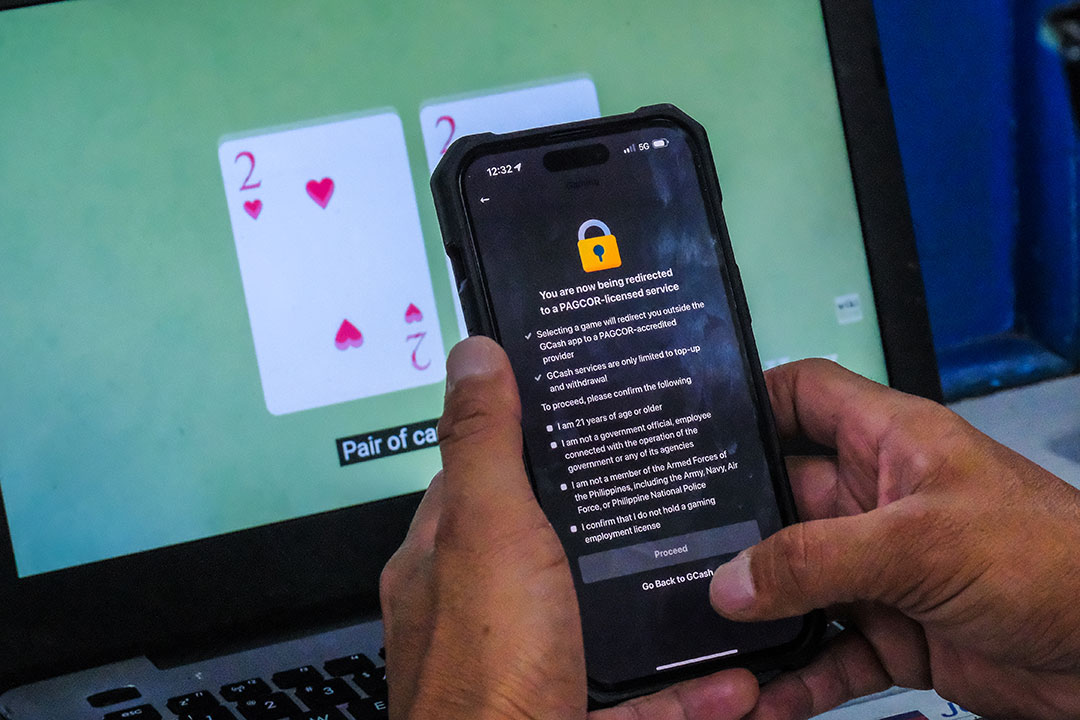
For the Philippines, the central issue is not “will people participate in the lottery”, but “where and in what manner”.Members of Congress, such as Antonio A. Ferrer, Chairman of the Philippine House of Representatives Committee on Play and Recreation, are intensifying their efforts to draft a report, which is expected to present proposals by the end of this year, including options for further tightening of regulation or promoting a comprehensive ban. At the same time, industry warns of a total ban on multiple negative chain reactions. The President of the Philippine Foundation for Economic Freedom, Calixto V. Chikiamco, stated that the ban on online betting would “pull them underground” and make players more vulnerable and the Government would lose significant taxes. He warned that “this would discourage legal investment in the field of online lottery and create greater operational space for grey market operations until regulatory systems are restored and stabilized”.The key challenge facing the Philippine Government today is to find a balance between moral pressures and economic realities.Online lottery continues to be one of the most dynamic services in the Philippines, employing tens of thousands of workers, directly or indirectly, and connecting multiple related industries, such as technology, finance, telecommunications and retail. For Recto and his Ministry of Finance, the way forward is not a one-size-fits-all ban, but rather a more precise approach, with more forward-looking, transparent and enforcement regulatory rules that effectively safeguard the rights of players, raise the level of industry governance and ensure fiscal sustainability.