

In recent days, the use of experimental artificial intelligence tools to capture, without authorization or authorization, commodity information from a third-party retail website and to place it on a flag-based electrician platform has generated strong discontent among dozens of online retailers. Related AI tools include the “Shop Direct” feature, which came online last February, and allows Amazon users to browse over other branding network products on the platform. When looking at commodities, users may see the Buy for Me button. Click to activate the AI agent and automatically complete the order using the payment and distribution information that the user has reserved for the Amazon.
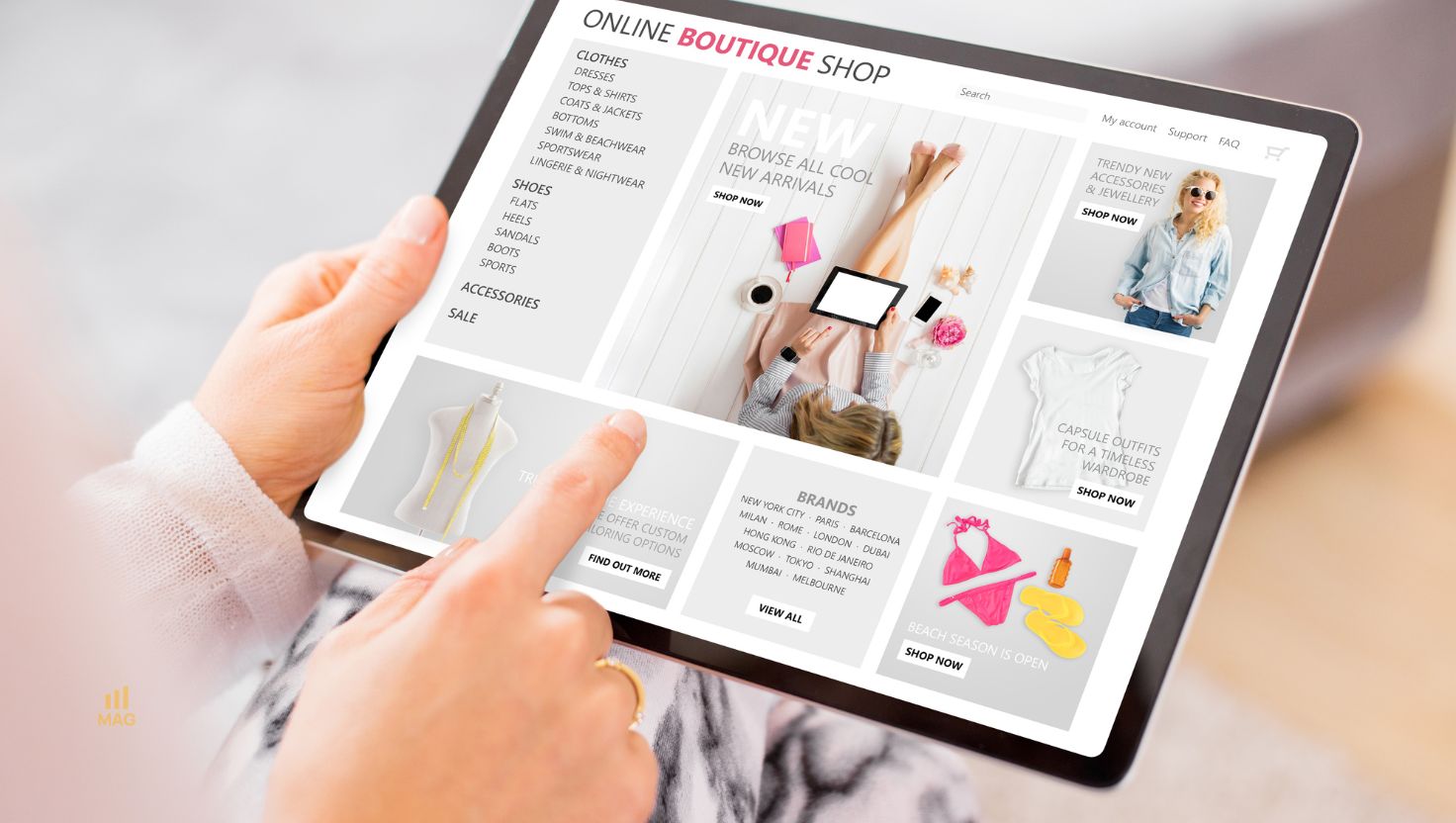
According to Modern Retail at the time, the Amazon explained that both functions were being tested among some users in the United States, with the aim of helping consumers to find any products, including commodities that were not covered by Amazon self-employment. However, the description of how the tool works does not seem to be clear enough. A large number of third-party businesses are completely unaware that their commodities will be displayed through the power company giant’s platform. Modern Retail reported that several companies had expressed strong opposition to the unauthorized presence of their products on the Amazon Commodity List and had expressed anger through social media such as Instagram and Reddit. More seriously, there are errors in some of the uploads: Amazon shows the goods whose brands have been shut down, or the product description errors.Retailers complain of “a violation of shop autonomy”One of the most violent critics, Chief Executive Officer Angie Chua of Bobo Design Studio, stated that although he had never joined the Amazon proxy scheme, a large number of orders from Amazon AI agents had begun to be received about a week earlier. She ran the Internet shop through Shopify in order to avoid the Amazon. According to her description, the frequently asked questions page on the Amazon site found that exit from the service required the initiative of the vendor and that she had to send an e-mail requesting Amazon lower shelf.
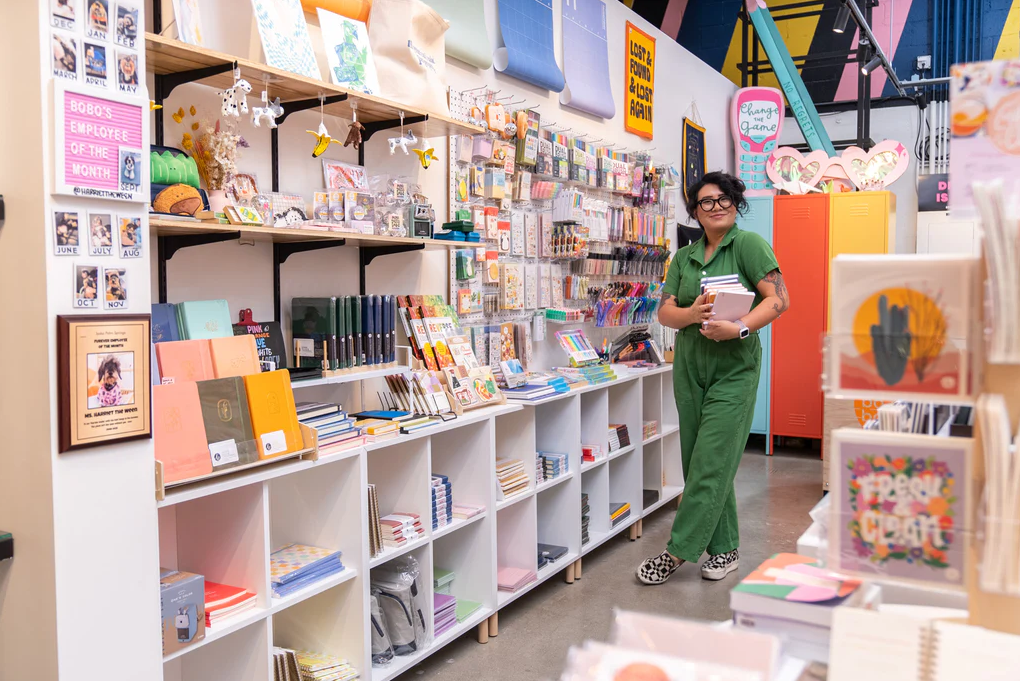
Although commodity information was withdrawn within a few days, she claimed that she was “used.” “We were forced to become substitute dealers on a platform that was clearly out of place”. Her experience on the Instagram has quickly sparked a debate, and over 180 small businesses selling through platforms such as Shopify, Wix, and Squaresspace have contacted her and found their own commodities seized by Shop Direct. Some retailers were angry, and they deliberately avoided working with the Amazon, but the Shop Direct was presented in such a way that its brand was mistakenly perceived by consumers as a third-party seller. Emi Moon, founder of the digital art brand of Peache Kei, said that she had watched Angie Chua’s social media content and found that all her company’s products were on the Amazon. “The core issue is reputational risk, and I do not want to be associated with the Amazon.” While she immediately e-mailed her choice to exit, she felt that it was disturbing in itself that the Amazon was allowed to do so: “These functions should be based on opting out rather than opting out, and our right to autonomy and consent is being violated. “What is worse, there have been reports of a mistake by the Amazon Shop Direct. At the time of discovery, Hitchcock Paper, a stationery supplier in Virginia, had received dozens of unsold toy decompression orders, all from the address of the “buyforme.amazon” mailbox.
Amazon insists on “support for small businesses”According to the Amazonian spokesperson, Hope Direct and Buy for Me not only helped consumers to find unsold products on the platform, but also helped businesses “to reach new customers and create incremental sales”, claiming that the project as a whole received “positive feedback” and reiterating that the company was a strong supporter of small businesses worldwide. “The merchant can send an email at any time to [email protected] to opt out and we will move it out of the project in time.” According to Amazon, Buy for Me does not charge a commission for the transaction by obtaining details of the product and price information from the branded public website and verifying the price, the accuracy of the description and the condition of the inventory through the AI proxy system. More than half a million commodities are now available through the facility. It is interesting to note that the Amazon itself is pursuing a similar approach, despite its strong opposition to other companies using AI tools to capture their platform data — a number of measures have been introduced last year to prevent third-party reptiles from accessing the website and to take legal action against unauthorized persons. In November last year, the company sent a warning letter to Perplexity AI to stop purchasing Amazon commodities through the Comet AI browser, stressing that third-party shopping agents should “respect the right of option of the service provider to participate”.
This is part of the Amazon layout agent ‘ s strategy. It also introduced the “auto-purchase” tool (but automatically placed when the price was below the set threshold) and the Ai shopping assistant Rufus, who can describe the demand in a natural language and whose agent completes the purchase. The instrument is expected to generate more than $10 billion in annual sales.