
In Europe, there is a wave of social media bans on minors under 16 years of age. The Czech Prime Minister, André Babiš, recently expressed support for the ban, stating that his consultant’s experts considered social media to be “harmful to children”. In CNN Prima News, Czech Deputy Prime Minister Karel Havlicek stated that the Government was seriously considering the ban this year.

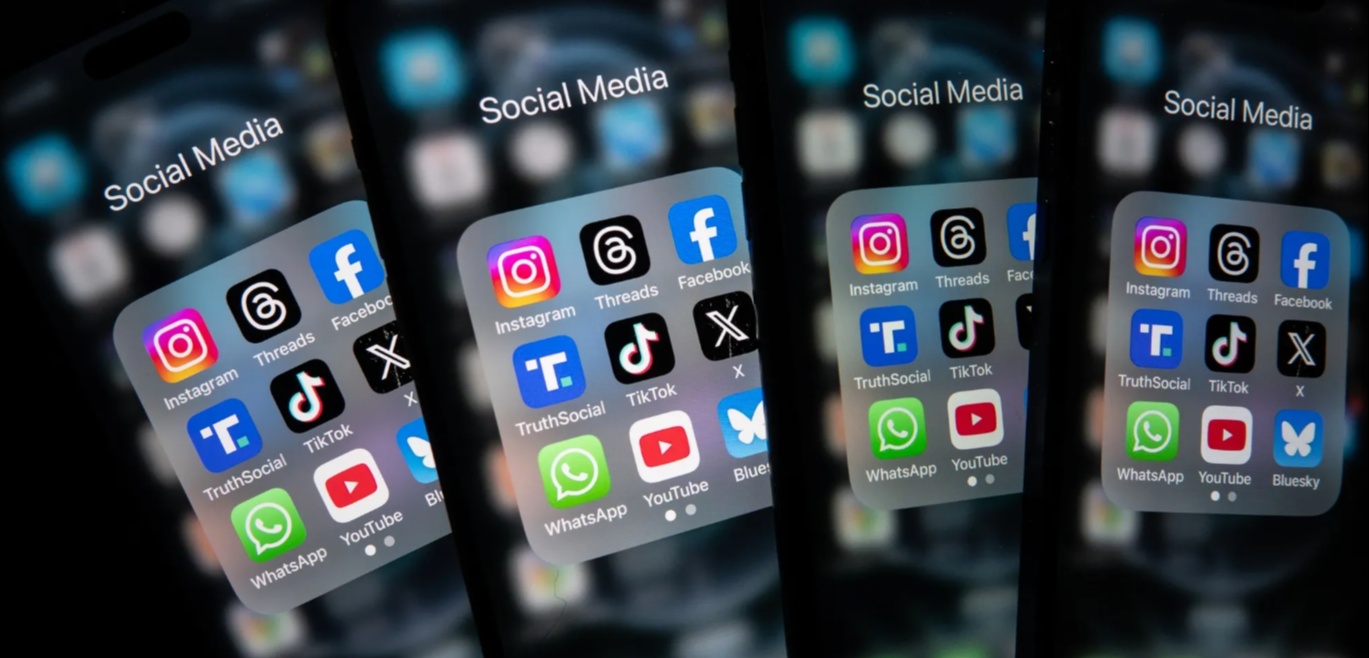
Earlier this week, in Dubai, Spanish Prime Minister Pedro Sánchez announced his country’s plan to ban social media from users under the age of 16 as a measure to protect children from the “digital wilderness”. At the same time, he stated that Spain had formed a “digital will coalition” with five other European countries. Although the specific identity of the remaining countries is unclear, more than five countries in Europe have expressed their willingness to restrict the use of social media by children and adolescents. Also this week, Greece and Turkey announced that they were approaching a ban. Last week, the French National Assembly voted on a proposal for a ban on users under the age of 15, which has now been submitted to the Senate for consideration. The German Minister for Digitalism, Karsten Wilberg, stated that he considered the social media ban “very valuable” and the age limit “fully reasonable”. Government officials in Austria stated that they were considering a ban for users under the age of 14, which could come into force before the beginning of the next school year. For his part, the Minister of Media of Ireland indicated that he planned to introduce “progressively” online safety measures for children, including a ban on users under the age of 16. It is alleged that Poland is in the process of drafting a law prohibiting the use of social media by children under 15 years of age; Portugal is discussing a proposal for a ban that includes parental consent for visits; the British House of Lords voted last month to support a social media ban for users under 16 years of age; Norway is developing similar hard restrictions; and Denmark announced the ban plan as early as November last year. The EU is also weighing a ban that will affect all 27 member States. The Government of the Netherlands has reportedly expressed its support. This is now a global regulatory wave triggered by Australia ‘ s social media ban on users under the age of 16. Since mid-December 2025, a large number of Australian children and adolescents have been banned from using such platforms as TikTok, Facebook, Instagram, Threads, X, Snapchat, YouTube, Reddit, Kick and Twitch.
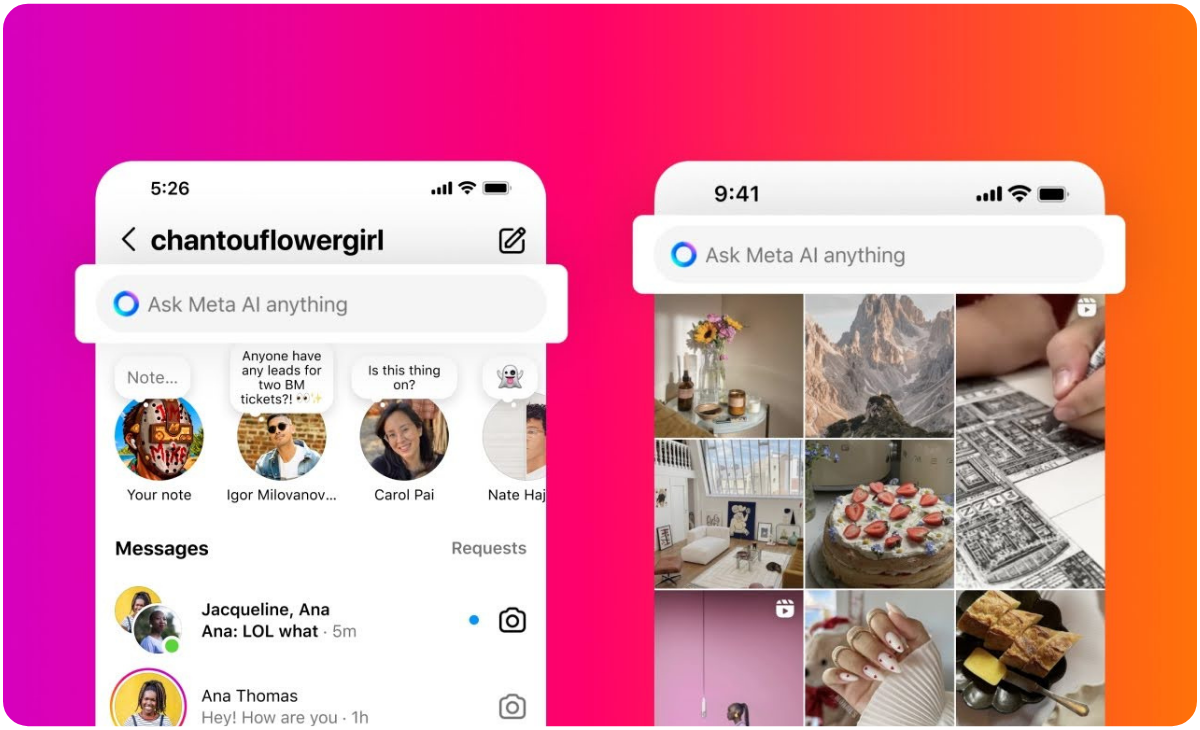
Some of the theoretical starting points for the ban in Australia are derived from the United States social psychologist Jonathan Hayt’s scientific book The Anxious Generation. According to the book, social media fills critical stages of development in adolescence and fundamentally reshapes the brain of those born after 1995. The addiction of children and adolescents to social media is related to higher levels of loneliness, depression, anxiety, attention deficit, body image problems and poor sleep quality. Many regulators are also increasingly concerned about uncontrolled cyber bullying. The American Science Society released its report last month, which links the long-term use of digital media to the increased risk of speech stunting, anger problems, reduced cognitive capacity and even type 2 diabetes, and requires technology companies and governments to put in place strict protection against harmful social media design functions, such as user graphics, automatic play and algorithm referral systems. Large United States technology companies are not satisfied with this trend. As part of the social media giants facing the impact of the ban, they have great influence in the digital world. Meta, the parent company of Instagram, which is popular among adolescents, has repeatedly asked Australian regulators to reconsider the ban. It is worth mentioning that Meta recently shared plans to make its social media flow more fascinating by means of an enhanced referral system with a large language model. Zuckerberg said, “There will soon be an AI to understand you and customize your information stream accordingly.”
As countries around the world begin to introduce bans that impede the United States of America’s technological giants, it is of concern how the Trump Government will react. Trump had repeatedly placed the interests of large United States technology companies at the heart of its foreign trade policy, and he believed that European regulation of digital platforms and technology companies was “offshore extortion” of the United States.